SPC for Advanced Agriculture is a leading agritech company dedicated to precision farming, and the advancement of sustainable agriculture and food production in Egypt, the region, and globally.
Agriculture
Sandponic farming in a nutshell
01
Agriculture in Egypt
Egypt is an agricultural-based country. Agriculture contributes approximately 14% of the GDP and absorbs about 31% of the workforce. About 53% of the population lives in rural areas where their livelihood depends, directly or indirectly, upon the agricultural sector.
Nevertheless, farmers face many threats and challenges including land and water issues, old farming techniques, lack of information on branding, selling and marketing, degradation of natural resources and environmental problems to name a few.
02
Food safety
With people and planet in mind, we believe in our mission to grow the best foods possible for the betterment of life on earth and humanity.
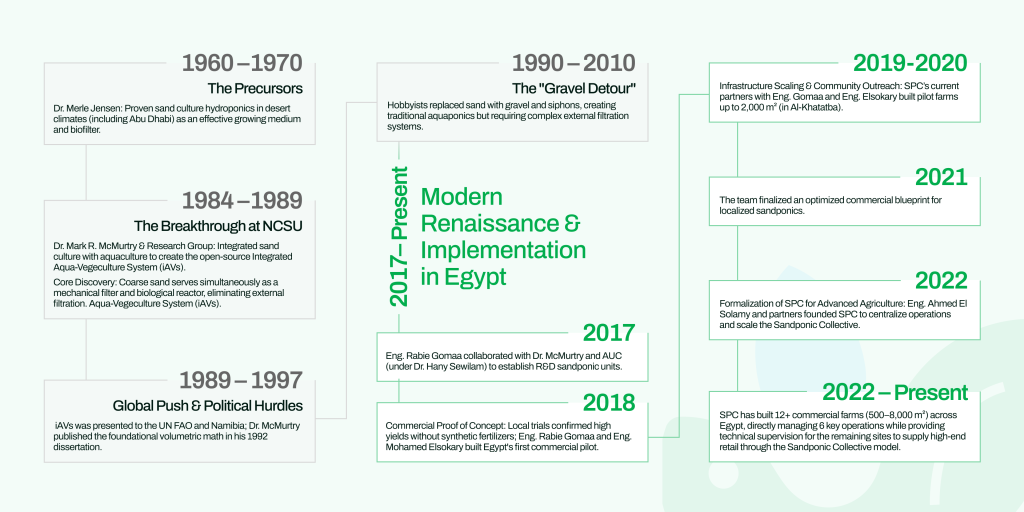
Our R&D department has been focusing for the past three years on systemizing and documenting the best practices in the field to optimize sandponic farms and their productions.
We use the latest breakthroughs in greenhouse designs but also plant biology to repair our currently-broken food system and improve the way clean, fresh and tasty produce is grown and distributed locally.
03
Sandponics: a sustainable solution
Sandponic farming answers all of these concerns and provides a comprehensive system that closes the loop competently, cost-effectively and sustainably.
Sandponic farming methods are efficient, clean and economical but most importantly they save and respect earth and its resources.
SPC for Advanced Agriculture is putting forward a unique agriculture platform to grow a wide selection of carefully-chosen products with superior flavors, longer shelf-life and improved nutrition.
The Ancient Roots of Integrated Agriculture
Ancient civilizations established the biological principles of integrated farming without modern recirculating technology
Ancient Egypt’s "Natural Sandponics":
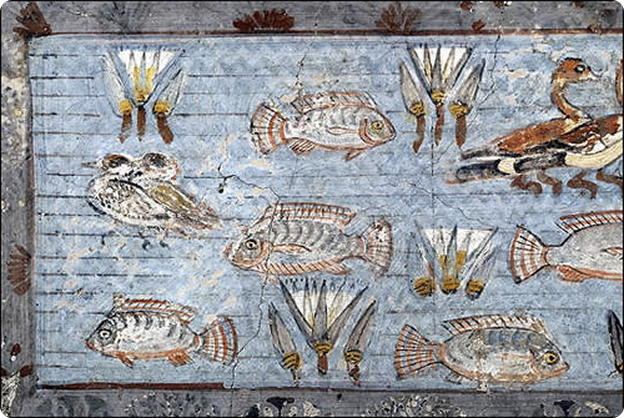
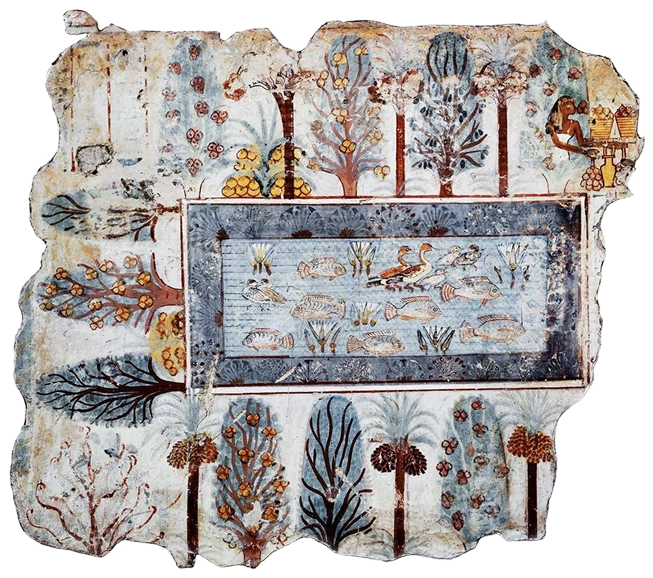
Though tomb paintings show fish ponds used strictly for breeding and aesthetics rather than closed-loop aquaponics, the Nile River functioned as a natural sandponic system. Annual floods deposited organic waste onto sandy banks, which filtered the water, retained moisture, and nourished crops like barley
and wheat.
Asian Rice-Fish Systems:
(c. 5th Century AD):
Chinese farmers created the first intentional open-air symbiotic ecosystem by placing carp in flooded rice paddies. The fish fertilized crops and ate pests, while rice roots purified the water.
Aztec Chinampas:
(c. 1000 AD)
The Aztecs engineered floating agricultural islands in shallow lakes, regularly dredging nutrient-rich canal mud to fertilize crops and master organic nutrient cycling.